This collection brings together evidence and lessons from four years of work by the Gates Foundation and its partners around a question at the heart of women’s economic empowerment: what does it take for women living on low incomes to build more secure livelihoods and expand their economic opportunities?
The body of work draws on experience from seven countries: India, Nigeria, Ethiopia, Kenya, Rwanda, Tanzania, and Uganda. This knowledge hub is a home for the research, insights, and other knowledge resources generated through that work.
Related Publications
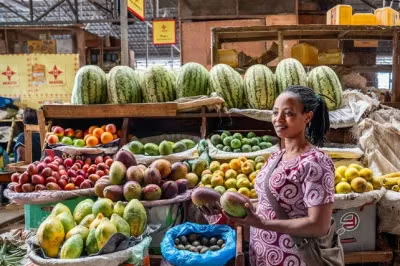
This publication reflects on the Gates Foundation’s four-year investment strategy to advance women’s economic opportunity in India, Nigeria, Ethiopia, Kenya, Rwanda, Tanzania, and Uganda.
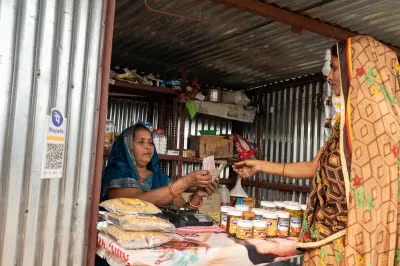
The focus of this paper is on the important role of wholesale finance in shaping the inclusive finance sector and the contribution of shallow wholesale markets to the high cost of productive microcredit in Africa.
Why This Work Matters Now
What the Work Is Beginning to Show
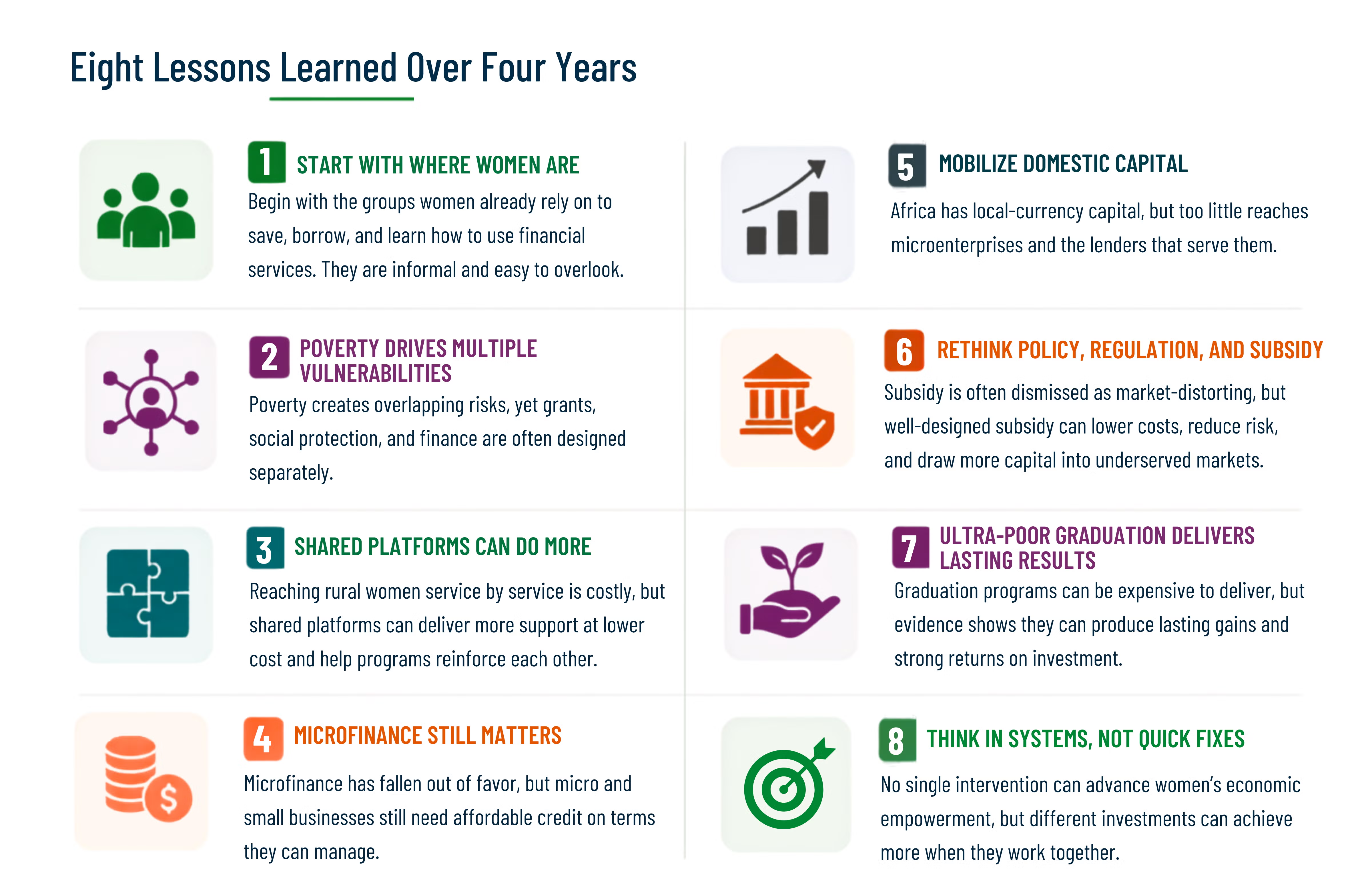
Across four years of work in seven countries, eight lessons have come into focus about what it takes to expand women’s economic opportunity. The lessons are not a fixed formula, and they do not all represent settled conclusions. Some, such as the lasting impact of graduation programs, draw on many years of evidence. Others raise questions that are still being explored, including how to mobilize domestic capital and use subsidy without undermining markets.
What You Will Find in This Collection
Here you’ll find research papers, learning briefs, blogs, interviews, webinars, and partner resources that share evidence and insights from this body of work. The hub will start with a small set of resources and grow over time as new research and other materials are published.
The work builds on earlier Gates Foundation research already available through FinDev Gateway. The 2024 white paper, Women and Equitable Growth in a Resource-Constrained World, examined how to expand access to affordable capital for women entrepreneurs in Africa. In the accompanying interview, How Do We Reach 80 Million Women and Increase Their Incomes by 30%?, Greta Bull discussed the thinking behind the work and the need to look beyond individual financial products to the wider systems that determine who can access capital and on what terms.
As new resources are added, the hub will also bring in perspectives from the people and institutions involved and create space to discuss what the findings mean in practice.
Featured Resources
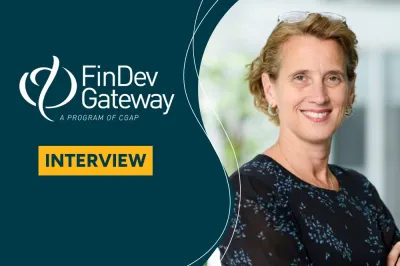
Greta Bull of the Bill & Melinda Gates Foundation shares the organization's latest thinking on achieving impact and building an inclusive credit ecosystem.
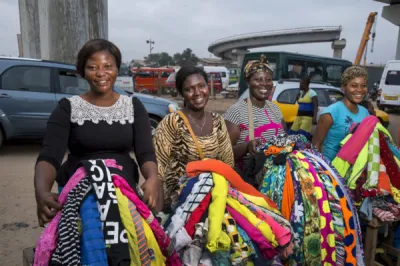
This paper addresses the need to reform the international development finance architecture in ways that expand access to affordable credit for women entrepreneurs in the Global South, especially in sub-Saharan Africa.
How the Research Will Be Organized
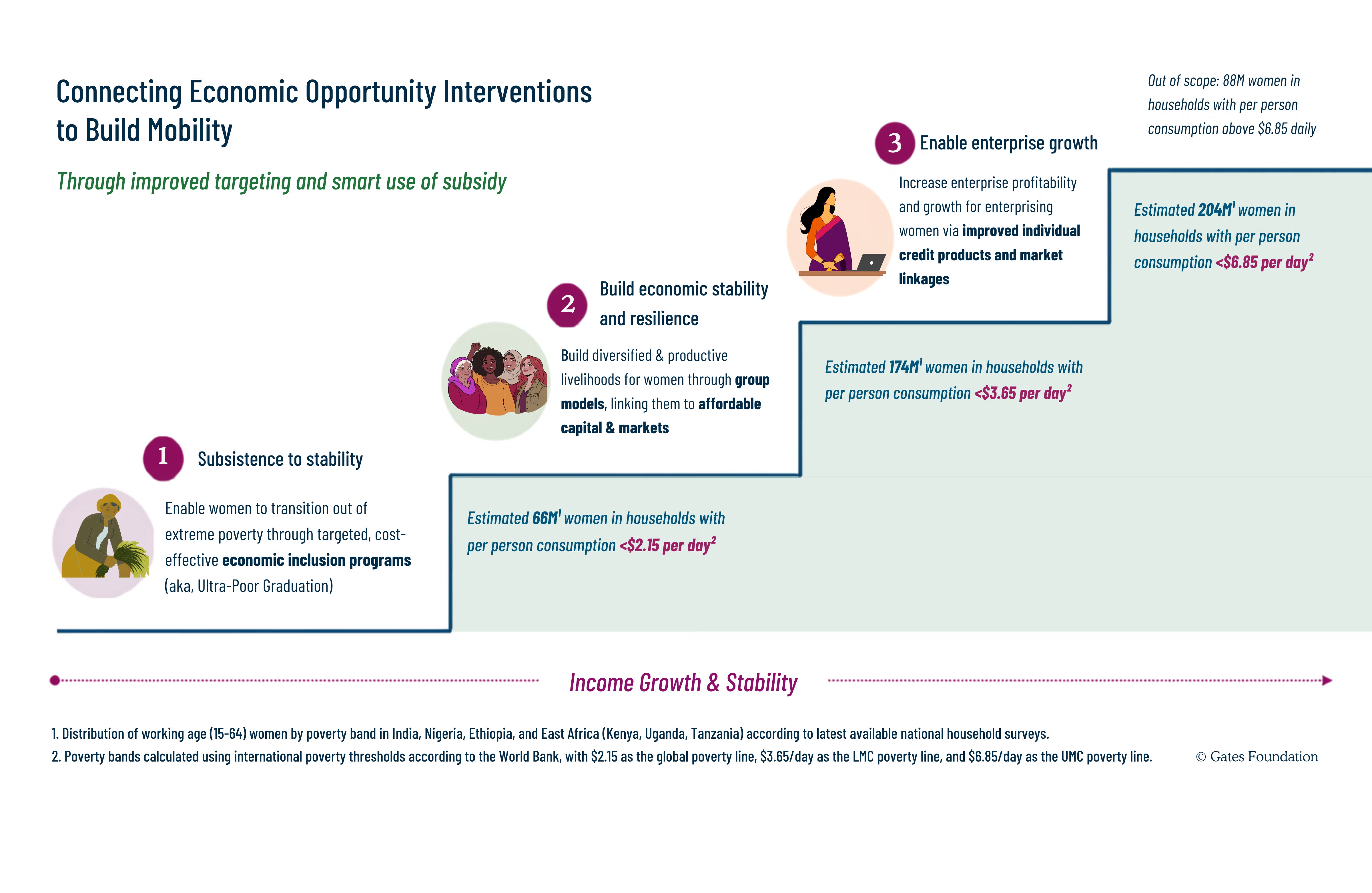
Because the work spans a wide range of issues, from women’s groups and livelihoods programs to finance and capital markets, knowledge resources will be organized around the three steps of the economic mobility ladder:
- Step One: Ultra-Poor Graduation
- Step Two: Integrated Livelihoods Platforms
- Step Three: Women's Entrepreneurship
This knowledge hub is constantly evolving, so stay tuned as new publications and resources related to each step are added over time.
Step One: Ultra-Poor Graduation
Research in this area examines how women can move from subsistence to stability. It examines what has been learned from adapting Ultra-Poor Graduation programs, including efforts to reduce costs, work through existing community and government structures, and understand effects beyond income, including health, nutrition, and education.
Step Two: Integrated Livelihoods Platforms
Research at this level focuses on the support women need to build economic resilience. It looks at the evolution of India’s National Rural Livelihoods Mission and what is being learned as elements of that model are adapted in African countries. It examines how interventions are sequenced and connected, what they cost, and how social protection, livelihoods support, finance, and markets can reinforce one another.
Step Three: Women's Entrepreneurship
Frequently Asked Questions
In this collection, women’s economic mobility means improving women’s ability to build more secure livelihoods and take advantage of income-generating opportunities. The work focuses on women living on low incomes, with the goals of increasing their incomes and strengthening their ownership and control of income and assets.
This can involve moving from subsistence toward greater stability, building economic resilience, or growing a viable enterprise. These are different ways of advancing the wider goal of women’s economic empowerment.
The collection asks what changes when social protection, rural livelihoods and financial inclusion are designed to reinforce one another. It brings together evidence and practical lessons on matching support to women’s circumstances and connecting programs, finance and markets more effectively.
Much of this work builds on established approaches. Its contribution is to examine how those approaches can work together to improve incomes and make better use of limited resources. Some lessons draw on long-standing evidence; others raise questions that are still being explored.
The collection is relevant to practitioners, policymakers, funders, financial service providers and researchers working on women’s livelihoods and economic opportunity. It can inform thinking about program design and delivery, access to finance, and the public policies and institutions that shape the support women receive.
Start with the economic situation most relevant to the women you aim to reach: subsistence to stability, economic resilience, or enterprise growth. The question on identifying appropriate support below points to forthcoming publications for each situation.
For an introduction to the thinking behind the work, read the FinDev interview How Do We Reach 80 Million Women and Increase Their Incomes by 30%?
The collection draws on four years of work by the Gates Foundation and its partners in India, Nigeria, Ethiopia, Kenya, Rwanda, Tanzania and Uganda, with a focus on women living on low incomes in rural economies.
It also builds on a longer history of research and practice, including work on BRAC’s Ultra-Poor Graduation model and the development of India’s National Rural Livelihoods Mission. The resources bring together research findings, experience from program implementation and lessons from partners. Their geographic coverage and the maturity of the evidence vary across topics.
Earlier work includes the 2024 white paper Women and Equitable Growth in a Resource-Constrained World, which examines access to affordable capital for women entrepreneurs in Africa.
Start with women’s current livelihoods, their goals and the barriers they face, including care responsibilities, mobility restrictions and access to assets or markets. The collection considers three broad economic situations to help readers think through which forms of support may be relevant.
Subsistence to stability: Women struggling to meet basic needs may need support that addresses several constraints together. Ultra-Poor Graduation programs support the development of livelihood assets and savings alongside skills, coaching and mentorship, helping women build a foundation for greater economic stability.
[Link to forthcoming publications on subsistence to stability]
Economic resilience: Women building more secure livelihoods may benefit from savings groups connected to government programs, financial institutions and markets. These groups can provide a platform for bringing together services and resources that help women strengthen their livelihoods.
[Link to forthcoming publications on economic resilience]
Enterprise growth: Women with viable micro or small businesses that they want to grow may need individual enterprise support, affordable and flexible longer-term credit that does not require substantial collateral, and connections to higher-value markets.
[Link to forthcoming publications on enterprise growth]
These situations provide a broad way to think about different needs. Women are not expected to move through them in a fixed order, and growing an enterprise is not every woman’s goal.
They can address different needs while sharing connections and delivery structures. A women’s group network, for example, can link members to government benefits, savings and credit, skills and markets.
India’s National Rural Livelihoods Mission illustrates this approach. Its federated savings and loan groups connect women to financial services and government programs. Some graduation programs also use this infrastructure to reach women facing extreme poverty. Women whose businesses are ready to grow may need additional finance and market connections beyond what group-based support provides.
The work examines how these forms of support can reinforce one another, including how they are sequenced and how shared delivery systems can reduce costs.
Consider the circumstances of the women you aim to reach alongside the institutions, services and markets available to them. When reading a publication, look at the population and setting it covers and the conditions under which an approach was implemented.
The collection includes experience from adapting approaches across countries. India’s National Rural Livelihoods Mission developed over decades, while lessons from adaptations in African countries are still emerging. Those experiences can help readers examine what may be relevant locally and what would need further adaptation or investigation.
A recurring question is how limited resources can reach more women while sustaining results. The work explores several possibilities: using existing government and community structures to deliver graduation programs, connecting services through women’s groups, and addressing the cost of the capital that lenders use to finance small businesses.
These questions take different forms across the three economic situations. Forthcoming publications will examine adaptations to graduation programs, the sequencing and cost trade-offs of rural livelihoods interventions, and the financing conditions affecting enterprise credit. Work on mobilizing domestic capital and using subsidy without undermining markets includes questions that remain under exploration.
The strategy’s goals were to increase incomes for women living on low incomes and strengthen their ownership and control of income and assets. Progress can take different forms, including greater stability for women facing extreme poverty, more resilient livelihoods, or growth in viable businesses.
The collection also explores evidence on wider effects, including health, nutrition and education. The publications for each economic situation will provide more detail on the findings. These goals provide a starting point for understanding progress; the evidence needs to be considered in relation to the particular women and programs studied.
Explore FinEquity
Looking for more resources on women's economic empowerment and financial inclusion? FinEquity, a community of practice convened by CGAP, offers opportunities to exchange experiences, explore emerging good practices, and tackle shared challenges in expanding women's access to and use of financial services. Learn more and join>